What Is the Difference Between GFRC and Traditional Concrete?

October 21

GFRC, or Glass Fiber Reinforced Concrete, is making significant waves in the construction industry due to its superior qualities and innovative application. As the demand for sustainable and efficient building materials rises, GFRC Cement panels have emerged as a solution capable of meeting modern architectural requirements. In fact, the global GFRC market is projected to grow at a compound annual growth rate (CAGR) of 28.5% from 2021 to 2028 (source: Fortune Business Insights). This unprecedented growth signifies not only an evolving architecture landscape but also a response to common pain points such as durability, weight, and aesthetic flexibility in traditional construction materials.

[Insert image here: //image.chukouplus.com/tools_upload/T_1617/file/20250718/d758532f09eb9359a6620edac7f9b773.png]

What Is the Difference Between GFRC and Traditional Concrete?

GFRC is composed of a mix of fine aggregates, cement, water, and glass fibers that enhance the tensile strength and durability of the material. Unlike traditional concrete, which can weigh up to 150 pounds per cubic foot, GFRC typically weighs only 50 to 120 pounds per cubic foot, making it easier to handle and install. This reduction in weight plays a vital role in modern construction by lowering transportation and labor costs while maintaining structural integrity.

Definition of GFRC and Industry Terms

GFRC Panels consist of a thin layer of concrete reinforced with glass fibers. The use of glass fibers is crucial because they significantly improve tensile strength, which is a fundamental property required for various structural applications. According to a study published in the Journal of Architectural Engineering, GFRC exhibits an increase in tensile strength by up to 400% compared to traditional concrete structures (source: ASCE Library). This makes GFRC an ideal choice for facades, sculptures, and architectural features.

Application Scenarios of GFRC Panels

GFRC panels find applications across various fields, including:

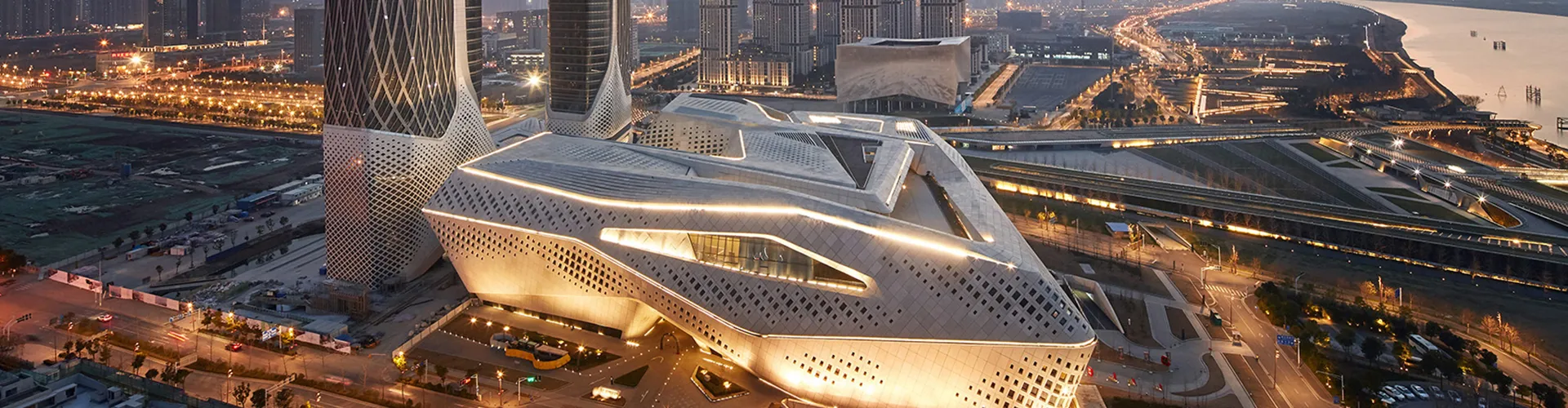
  • Architectural Facades: Their lightweight nature allows for elaborate and creative designs.
  • Precast Concrete Products: GFRC is used in creating a range of prefabricated structures.
  • Landscaping: Its durability makes it suitable for outdoor applications like benches and planters.
  • Fireplaces and Indoor Features: GFRC can be molded into intricate designs without compromising on strength.

Brief Description of Advantages: Why Is GFRC Important?

The emergence of GFRC cement has introduced several compelling advantages for its users:

  1. Lightweight: GFRC panels substantially reduce installation effort and costs.
  2. Aesthetic Flexibility: These panels can be molded into various shapes and textures, allowing for creative architectural designs.
  3. Durability: GFRC offers enhanced resistance to cracking and weathering, making it a long-lasting solution in diverse climates.
  4. Cost-Effective: Although GFRC panels may have a higher upfront cost, their longevity and low maintenance requirements contribute to overall cost savings of up to 30% over time.

Next Steps: Guidance for Further Understanding

If you're considering integrating GFRC into your next project, a good starting point would be to read the user guide provided by leading manufacturers, such as Jushui. This guide can help you understand installation techniques, maintenance procedures, and design inspirations.

FAQs

1. How much lighter is GFRC compared to traditional concrete?
GFRC panels are typically 50% lighter than traditional concrete, which improves handling and reduces construction costs.

2. Can GFRC withstand harsh weather?
Yes, GFRC is highly resistant to moisture and temperature fluctuations, making it suitable for diverse environments.

3. Is GFRC recyclable?
GFRC is composed of sustainable materials and can be recycled, contributing to environmentally friendly construction practices.

Call to Action

To delve deeper into the capabilities of GFRC panels and explore their potential applications in your projects, consider reaching out to experts at Jushui for a consultation or trial. Understanding this material can pave the way for innovative and sustainable construction solutions.

By integrating GFRC into your designs, you're not just choosing a building material; you're opting for a powerful solution that addresses many industry pain points while offering exceptional benefits.

GET IN TOUCH WITH US

As a GFRC professional manufacturing and construction enterprise, Jushui has always adhered to strict scientific management. From project initiation to production organization preparation, from supplier management to refined production, from process monitoring to final inspection, from product delivery to construction organization planning, from on-site installation to final acceptance, accurate planning and strict execution are emphasized everywhere. Exquisite craftsmanship and rigorous attitude run through the entire process of production and construction.

  • Afghanistan
  • Albania
  • Algeria
  • American Samoa
  • Andorra
  • Angola
  • Anguilla
  • Antarctica
  • Antigua and Barbuda
  • Argentina
  • Armenia
  • Aruba
  • Australia
  • Austria
  • Azerbaijan
  • Bahamas
  • Bahrain
  • Bangladesh
  • Barbados
  • Belarus
  • Belgium
  • Belize
  • Benin
  • Bermuda
  • Bhutan
  • Bolivia
  • Bosnia and Herzegovina
  • Botswana
  • Bouvet Island
  • Brazil
  • British Indian Ocean Territory
  • Brunei Darussalam
  • Bulgaria
  • Burkina Faso
  • Burundi
  • Cambodia
  • Cameroon
  • Canada
  • Cape Verde
  • Cayman Islands
  • Central African Republic
  • Chad
  • Chile
  • China
  • Christmas Island
  • Cocos (Keeling) Islands
  • Colombia
  • Comoros
  • Congo
  • Cook Islands
  • Costa Rica
  • Cote D'Ivoire
  • Croatia
  • Cuba
  • Cyprus
  • Czech Republic
  • Denmark
  • Djibouti
  • Dominica
  • East Timor
  • Ecuador
  • Egypt
  • El Salvador
  • Equatorial Guinea
  • Eritrea
  • Estonia
  • Ethiopia
  • Falkland Islands (Malvinas)
  • Faroe Islands
  • Fiji
  • Finland
  • France, Metropolitan
  • French Guiana
  • French Polynesia
  • Gabon
  • Gambia
  • Georgia
  • Germany
  • Ghana
  • Gibraltar
  • Greece
  • Greenland
  • Grenada
  • Guadeloupe
  • Guam
  • Guatemala
  • Guinea
  • Guinea-Bissau
  • Guyana
  • Haiti
  • Honduras
  • Hong Kong,China
  • Hungary
  • Iceland
  • India
  • Indonesia
  • Iran (Islamic Republic of)
  • Iraq
  • Ireland
  • Israel
  • Italy
  • Jamaica
  • Japan
  • Jordan
  • Kazakhstan
  • Kenya
  • Kiribati
  • North Korea
  • South Korea
  • Kuwait
  • Kyrgyzstan
  • Lao People's Democratic Republic
  • Latvia
  • Lebanon
  • Lesotho
  • Liberia
  • Libyan Arab Jamahiriya
  • Liechtenstein
  • Lithuania
  • Luxembourg
  • Macau
  • Madagascar
  • Malawi
  • Malaysia
  • Maldives
  • Mali
  • Malta
  • Marshall Islands
  • Martinique
  • Mauritania
  • Mauritius
  • Mayotte
  • Mexico
  • Micronesia
  • Moldova
  • Monaco
  • Mongolia
  • Montserrat
  • Morocco
  • Mozambique
  • Myanmar
  • Namibia
  • Nauru
  • Nepal
  • Netherlands
  • New Caledonia
  • New Zealand
  • Nicaragua
  • Niger
  • Nigeria
  • Niue
  • Norfolk Island
  • Northern Mariana Islands
  • Norway
  • Oman
  • Pakistan
  • Palau
  • Panama
  • Papua New Guinea
  • Paraguay
  • Peru
  • Philippines
  • Pitcairn
  • Poland
  • Portugal
  • Puerto Rico
  • Qatar
  • Reunion
  • Romania
  • Russian Federation
  • Rwanda
  • Saint Kitts and Nevis
  • Saint Lucia
  • Saint Vincent and the Grenadines
  • Samoa
  • San Marino
  • Saudi Arabia
  • Senegal
  • Seychelles
  • Sierra Leone
  • Singapore
  • Slovak Republic
  • Slovenia
  • Solomon Islands
  • Somalia
  • South Africa
  • Spain
  • Sri Lanka
  • St. Helena
  • Sudan
  • Suriname
  • Swaziland
  • Sweden
  • Switzerland
  • Syrian Arab Republic
  • Taiwan, China
  • Tajikistan
  • Tanzania
  • Thailand
  • Togo
  • Tokelau
  • Tonga
  • Trinidad and Tobago
  • Tunisia
  • Turkey
  • Turkmenistan
  • Turks and Caicos Islands
  • Tuvalu
  • Uganda
  • Ukraine
  • United Arab Emirates
  • United Kingdom
  • United States
  • Uruguay
  • Uzbekistan
  • Vanuatu
  • Vatican City State (Holy See)
  • Venezuela
  • Viet Nam
  • Virgin Islands (U.S.)
  • Wallis and Futuna Islands
  • Western Sahara
  • Yemen
  • Zambia
  • Zimbabwe
  • Montenegro
  • Serbia
  • Palestine
  • South Sudan
  • Jersey

IS THERE ANYTHING WE CAN HELP YOU WITH ?

The company is committed to becoming a domestic manufacturer of high-quality products. Resolutely prioritize quality, use new technologies and products, and keep up with market trends. Our company's projects cover all continents around the world, and through the output of high-quality projects, we achieve brand influence and brand value
WeChat
WeChat